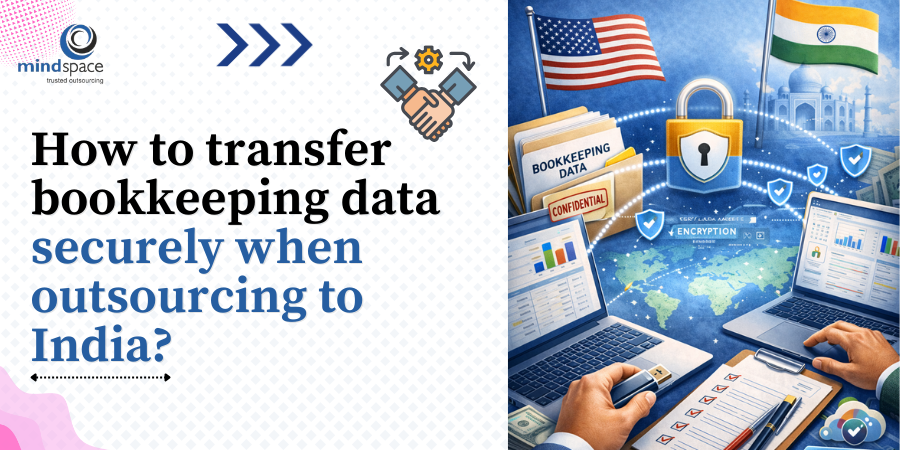
How to Transfer Bookkeeping Data Securely When Outsourcing to India?
Businesses around the world increasingly rely on offshore accounting partners to manage financial documentation, bookkeeping records, and reporting processes. As outsourcing grows, the safe movement of financial information becomes a top priority for organizations handling sensitive accounting data. Maintaining Secure bookkeeping data transfer is essential when sharing financial records with offshore teams in order to prevent unauthorized access and ensure compliance with global data protection standards. Financial documents often include confidential information such as invoices, payroll details, vendor contracts, and tax records. Protecting this data requires structured security protocols, encrypted systems, and controlled access environments. Companies that partner with experienced providers such as Mindspace Outsourcing typically rely on secure digital platforms designed specifically for safe financial data management.
Importance of Data Security in Bookkeeping Outsourcing
Financial information is among the most sensitive categories of business data. When accounting records are transferred between organizations located in different countries, maintaining strong security practices becomes essential. Many outsourcing providers prioritize Outsourced bookkeeping security by implementing strict internal policies and technology safeguards. These measures often include encrypted file transfers, secure servers, and controlled employee access to financial records. Security-focused accounting firms also maintain confidentiality agreements with their teams and conduct regular compliance checks. Such systems ensure that financial information remains protected throughout the outsourcing relationship. Businesses working with reliable bookkeeping partners benefit from structured security frameworks that safeguard financial records while allowing accounting teams to perform their responsibilities effectively.
Using Encrypted File Transfer Systems
One of the most effective ways to protect financial information during outsourcing is through encrypted file transfer systems. These systems ensure that financial records remain unreadable to unauthorized users while data moves between the client and the accounting service provider. Many businesses rely on secure digital platforms designed specifically for Secure data sharing for accounting, which allow financial files to be uploaded, accessed, and downloaded in a protected environment. Encryption technology converts financial information into coded data that can only be accessed by authorized users with proper credentials. This method significantly reduces the risk of data interception and ensures that financial documents remain confidential throughout the transfer process.
Cloud-Based Accounting Platforms for Secure Collaboration
Cloud-based accounting platforms have become essential tools for businesses outsourcing bookkeeping tasks. These platforms allow financial records to be stored and managed within secure online environments where authorized users can access information in real time. Many organizations adopt these systems to strengthen Bookkeeping outsourcing India security, as cloud platforms often include advanced security features such as multi-factor authentication, encrypted data storage, and detailed activity logs. By using cloud-based accounting software, businesses and offshore accounting teams can collaborate efficiently without relying on unsecured email attachments or manual file transfers. The centralized nature of cloud platforms ensures that financial records remain organized and protected while allowing seamless communication between international accounting teams.
Controlling Access to Financial Data
Limiting access to sensitive information is another critical aspect of secure bookkeeping data transfer. Businesses must ensure that only authorized accounting professionals can view or modify financial records. Many outsourcing providers establish role-based access systems that allow different team members to access only the data required for their specific responsibilities. This approach reduces the risk of unauthorized data exposure and helps maintain accountability within the accounting workflow. Access controls also allow businesses to monitor who interacts with financial records and when those interactions occur. Such transparency strengthens security practices and supports compliance with international data protection regulations.
Secure Accounting Infrastructure and Technology
Reliable outsourcing providers invest heavily in secure technological infrastructure to protect financial data. Many firms offering Accounting And Bookkeeping Services operate within controlled IT environments that include firewall protection, encrypted storage systems, and secure network protocols. These systems are designed to prevent cyber threats and unauthorized system access. Regular software updates, vulnerability assessments, and security monitoring further enhance the safety of financial information. By maintaining advanced IT infrastructure, outsourcing providers create secure environments where financial records can be processed, analyzed, and reported without compromising data confidentiality.
Confidentiality Agreements and Compliance Policies
Legal agreements play a vital role in protecting financial data during outsourcing relationships. Reputable accounting firms typically establish confidentiality agreements that clearly define data protection responsibilities for both parties. These agreements outline how financial information should be handled, stored, and transmitted. In addition to legal contracts, professional outsourcing firms follow international compliance guidelines that govern financial data management. Such policies ensure that accounting operations align with industry standards and data protection regulations. Organizations that establish clear legal frameworks with outsourcing partners often experience greater confidence in the safety and confidentiality of their financial information.
Role of Data Monitoring and Audit Trails
Continuous monitoring of financial systems helps identify potential security risks and maintain transparency in data usage. Many modern accounting platforms include audit trail features that track every action performed within the system. These logs record when financial data is accessed, modified, or transferred by authorized personnel. Audit trails allow businesses to review system activity and verify that security policies are being followed. Monitoring systems also help identify unusual activity patterns that may signal potential security concerns. By maintaining detailed system logs, organizations can strengthen oversight of financial data and ensure that outsourcing processes remain secure and well-documented.
Supporting Business Decisions Through Secure Financial Data
Secure bookkeeping practices not only protect financial information but also support reliable business analysis. Accurate and protected financial data allows organizations to perform detailed Financial Analysis, which plays a significant role in evaluating profitability, controlling costs, and planning future investments. When financial records are transferred securely and maintained accurately, businesses can rely on the data for strategic decision-making. Secure accounting systems ensure that financial reports reflect accurate information, helping management teams assess operational performance with confidence. Reliable financial data strengthens organizational stability and supports long-term business planning.
Conclusion
Secure data transfer is a fundamental requirement for businesses outsourcing bookkeeping operations to international partners. Financial records must be protected through encrypted file transfers, cloud-based accounting systems, controlled access environments, and strong confidentiality agreements. Reliable outsourcing providers implement advanced security measures to safeguard financial data throughout the entire accounting workflow. These systems ensure that sensitive information remains protected while still allowing accounting teams to manage bookkeeping tasks efficiently. Companies working with established providers such as Mindspace Outsourcing benefit from structured security practices that prioritize data protection, transparency, and compliance. By adopting secure bookkeeping processes, businesses can confidently collaborate with offshore accounting teams while maintaining the integrity and confidentiality of their financial records.