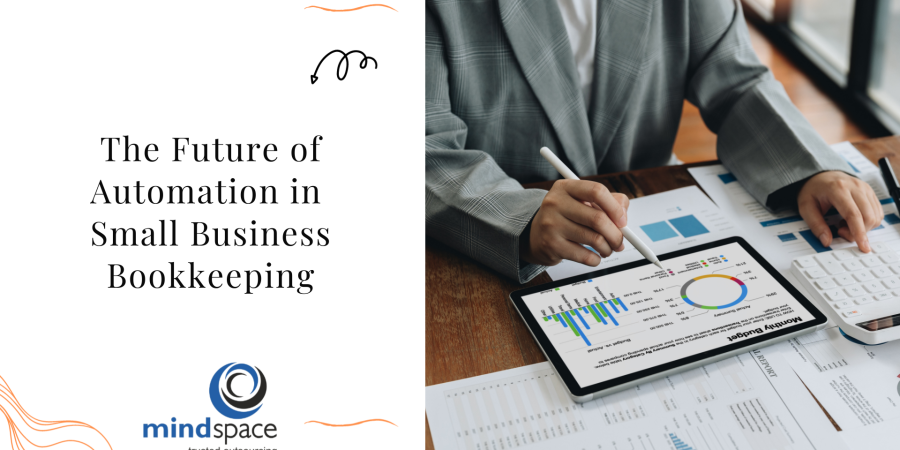
The Future of Automation in Small Business Bookkeeping
As December 2025 unfolds, automation in small business bookkeeping has transitioned from a promising trend to the industry backbone across the United States. The era of manually entering invoices, balancing checkbooks, or managing piles of receipts has largely given way to smart, AI-driven, and cloud-based accounting systems. Small business owners now rely on these technologies not just to simplify bookkeeping but to gain crucial financial insights that shape timely, strategic decisions. This article explores how automation is shaping the bookkeeping landscape for small businesses today, highlighting the practical benefits, current technologies, and future outlook.
The Evolution Since the Early 2020s
Over the past five years, bookkeeping for small businesses has seen a seismic transformation. Early digital tools like Excel spreadsheets and basic accounting software have been replaced or augmented by fully automated platforms such as QuickBooks Online, Xero, Zoho Books, and FreshBooks. These systems integrate bank feeds, e-commerce data, POS transactions, and payroll operations flawlessly, offering a complete financial picture in real time.
What once took hours or days is now achieved in minutes, saving time and reducing costly human errors. The integration of AI means bookkeeping is no longer just about recording past transactions but about anticipating future financial trends and identifying opportunities or risks early.
Key Benefits Delivered
1. Real-Time Financial Transparency and Decision-Making
One of the most dramatic changes brought by automation is instant financial transparency. Small business owners no longer wait for monthly or quarterly accountant reports to understand their cash position. Automated bookkeeping systems provide real-time dashboards showing income, expenses, cash flow, and profit margins, available on desktops or mobile devices.
This constant financial visibility allows business owners to make fast, informed decisions—whether it’s investing in new marketing campaigns, cutting non-essential costs, or timing inventory purchases when cash reserves are healthiest. The ability to react quickly in a volatile market gives automated bookkeeping users a competitive edge.
2. Improved Accuracy and Reduced Errors
Human bookkeeping mistakes, forgotten invoices, duplicate entries, and miscategorized transactions lead to inaccurate financials, audit headaches, and costly penalties. In 2025, AI-driven bookkeeping software automatically cross-verifies transactions against bank feeds and vendor invoices, flagging any anomalies or suspicious activities for review.
This level of accuracy minimizes the risk of IRS audits or compliance issues related to sales tax, payroll taxes, and corporate income tax filings. Small businesses enjoy peace of mind knowing their books are reliable and audit-ready.
3. Integration with Business Systems and Sales Channels
Beyond bookkeeping, automation now interconnects all critical business platforms:
- Point of Sale (POS) systems synchronize sales data instantly with accounting books.
- E-commerce platforms like Shopify and WooCommerce automatically update inventory and revenue streams.
- Payment processors such as Stripe and PayPal link invoices and payment receipts to the ledger.
- Payroll and CRM systems feed employee expenses and client billing into accounting records without manual entry.
This seamless ecosystem eliminates redundant work and ensures a smooth, efficient flow of financial data, freeing business owners and their teams to focus on growth rather than admin.
4. Cloud Accounting Enables Flexibility and Security
Cloud accounting has become the de facto standard in 2025. Small business owners can securely access their financial data anytime, anywhere—whether from coffee shops, home offices, or business trips—using laptops, tablets, or smartphones. This flexibility supports remote and hybrid work environments, increasingly common in the post-pandemic economy.
Additionally, cloud platforms automatically back up financial data, protecting businesses against hardware failures or accidental deletions. Cybersecurity protocols embedded in cloud systems also safeguard sensitive business information against cyber threats.
5. Cost and Time Savings
Automation dramatically reduces bookkeeping expenses by minimizing the need for full-time in-house accounting staff. Many small companies now work with external accounting firms that remotely monitor their automated systems, providing professional oversight at lower costs than traditional accounting departments.
Routine tasks such as monthly reconciliations, expense tracking, report generation, and invoice creation typically take minutes rather than hours, allowing business owners to focus on core operations.
6. Predictive Financial Analytics and AI Insights
Bookkeeping software in 2025 is far more than a transactional ledger. Advanced AI models analyze historical financial data and recognize patterns unique to each business. This enables predictive analytics, which forecast cash flow trends, warn about potential liquidity issues weeks in advance, and recommend strategies to maximize profitability.
For example, AI tools can highlight when sales are trending lower or when expenses are unusually high, prompting the business owner to take preventive action before problems become critical. This proactive approach shifts bookkeeping from reactive record-keeping to strategic financial management.
7. Simplified Reporting and Tax Compliance
The complexity of US tax regulations—including federal, state, and local obligations—has historically been a major pain point for small businesses. Automation now simplifies these challenges by automatically tracking deductible expenses, calculating sales tax, and generating IRS-compliant financial statements, including profit and loss reports, balance sheets, and GST/VAT summaries.
This not only reduces the risk of penalties but also eliminates the last-minute rush to compile documents during tax season or audits. Businesses maintain compliance with ease and in real time.
8. Accountants as Strategic Partners
One of the greatest shifts brought on by automation is the evolving role of accountants. Freed from manual data entry, accountants now serve as strategic financial advisors, working collaboratively with business owners to interpret live data and formulate growth strategies.
Cloud-based accounting software facilitates real-time collaboration, enabling accountants to access current information instantly and provide timely recommendations rather than retrospective reports. This dynamic partnership adds significant value to small businesses.
What Small Businesses Should Do in December 2025
If your bookkeeping process still involves manual entries, spreadsheets, or isolated software systems, the time to upgrade is now. Automation offers:
- Improved reporting accuracy
- Efficient tax compliance management
- Real-time financial insights for smarter decision-making
- Hands-free integration with sales, payroll, and payment platforms
- Cost-effective access to professional accounting services
- Enhanced flexibility through cloud computing
- AI-driven predictive financial planning
By automating bookkeeping, you not only increase operational efficiency but also position your business for greater growth and resilience in a competitive US market.
Preparing for 2026 and Beyond
As AI and automation technology continue to evolve, the bookkeeping landscape will become even more sophisticated. Expect future accounting platforms to integrate machine learning for deeper predictive insights and to automate complex processes such as budgeting, forecasting, and business risk assessment.
Furthermore, regulatory environments will increasingly favor digitally compliant businesses, making a well-automated bookkeeping platform a strategic asset for long-term success.
The bottom line for small business owners in December 2025 is clear: embracing automation in bookkeeping is no longer optional—it’s essential. Whether you operate a local cafe, an online retail store, or a service business, AI-powered, cloud-based accounting software will save you time, reduce errors, cut costs, and provide actionable insights to grow your business confidently.
Is your bookkeeping software up to date? Are you fully leveraging automation to gain real-time financial clarity? If not, the time to act is now. The future of small business bookkeeping is intelligent, predictive, and automated—and it’s happening today.