Top Software Tools for Managing Offshore Bookkeeping
Managing financial records across international teams requires reliable technology and structured accounting workflows. Businesses that collaborate with global accounting partners depend heavily on Offshore bookkeeping software to maintain accurate financial documentation and ensure real-time visibility of transactions. Offshore bookkeeping often involves remote accountants handling invoices, reconciliations, expense tracking, and financial reporting for companies located in different countries. Without the right software infrastructure, coordinating these tasks can become difficult. Modern accounting platforms provide cloud-based access, automation features, and secure data sharing that support seamless collaboration between businesses and offshore accounting teams. Many organizations working with firms such as Mindspace Outsourcing rely on advanced bookkeeping systems to maintain accuracy, transparency, and efficiency in their financial operations.
The Growing Role of Technology in Offshore Bookkeeping
Technology has transformed the way businesses manage financial records through outsourcing partnerships. Offshore accounting teams rely on digital platforms to access financial data, reconcile transactions, and prepare reports for international clients. These platforms act as Bookkeeping management tools, enabling accountants to track daily transactions, categorize expenses, and generate structured financial statements. Automation features further simplify tasks such as bank reconciliation, invoice processing, and expense categorization. The use of modern accounting software reduces manual errors while improving workflow efficiency. Businesses working with offshore bookkeeping providers benefit from centralized financial systems that allow authorized teams to access records from different geographic locations while maintaining accurate and synchronized financial information.
Importance of Cloud-Based Accounting Platforms
Cloud technology has become the foundation of modern financial management systems. Companies managing offshore bookkeeping operations frequently rely on Cloud bookkeeping software to ensure seamless collaboration between internal teams and external accounting partners. Cloud-based platforms allow financial data to be updated and accessed in real time without requiring physical infrastructure or complex installations. These systems also include automated backups, secure login systems, and role-based access controls that protect sensitive financial information. By operating on cloud infrastructure, businesses can share financial data with offshore accountants instantly while maintaining full transparency over financial activities. This approach significantly improves efficiency and allows businesses to monitor their financial performance from any location.
Key Features Businesses Should Look for in Bookkeeping Software
Selecting the right accounting platform involves evaluating features that support offshore collaboration and financial transparency. Modern bookkeeping systems provide automated bank feeds, financial dashboards, invoice management, and reporting tools that simplify daily accounting tasks. Many platforms designed as Offshore accounting tools also include multi-currency capabilities, which are essential for companies operating across international markets. These tools allow accountants to manage transactions in multiple currencies while maintaining accurate exchange rate calculations. Secure document sharing, integrated tax reporting features, and audit-ready financial logs further improve the reliability of these platforms. Businesses that select software with these capabilities often experience smoother communication and better coordination with offshore accounting partners.
Software Integration and Data Migration
When companies adopt new accounting platforms, transferring financial data from existing systems becomes an important step. Businesses frequently undertake Accounting Software Migration when upgrading to more advanced financial systems or transitioning from manual bookkeeping processes to automated platforms. Data migration ensures that historical financial records remain accessible while allowing the business to benefit from improved software capabilities. The migration process typically includes transferring transaction records, account balances, and financial reports into the new system. Accurate migration is essential because incomplete data transfers can lead to reporting discrepancies. Accounting service providers often assist businesses during this process to ensure that financial records remain consistent and fully functional within the new software environment.
Managing Financial Transactions Efficiently
Offshore bookkeeping software must also support daily financial operations such as tracking vendor payments and monitoring incoming client payments. Accurate management of Account Payables And Account Receivables is essential for maintaining healthy cash flow within a business. Many accounting platforms include automated invoice generation, payment reminders, and real-time transaction tracking features that simplify this process. These capabilities allow offshore accounting teams to manage payment cycles efficiently while ensuring that financial records remain accurate. Businesses benefit from detailed financial dashboards that display outstanding invoices, pending payments, and cash flow summaries. Proper tracking of payables and receivables ensures that financial data reflects the true operational performance of the organization.
Popular Software Platforms Used in Offshore Bookkeeping
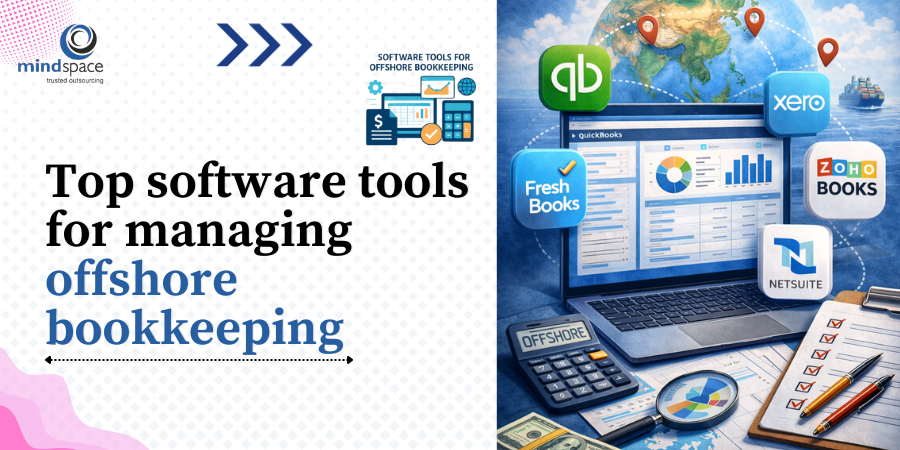
Several accounting platforms have become widely adopted by offshore bookkeeping teams due to their reliability and flexibility. QuickBooks Online is commonly used for small and mid-sized businesses because it offers automated bank feeds, expense categorization, and customizable reporting tools. Xero is another popular platform that provides real-time collaboration features and strong integration capabilities with other financial applications. NetSuite is frequently used by larger organizations that require enterprise-level financial management systems. These platforms provide multi-user access, strong security protocols, and powerful reporting features that make them suitable for offshore accounting operations. Businesses often select a platform based on company size, transaction volume, and integration requirements.
Security and Compliance in Offshore Accounting Software
Financial data security is a critical concern when managing bookkeeping operations across international teams. Reputable accounting software platforms include advanced security features such as encrypted data transmission, multi-factor authentication, and user access controls. These systems ensure that financial records remain protected from unauthorized access while still allowing authorized accounting professionals to perform their duties. Many platforms also maintain detailed activity logs that track changes made to financial records. These logs support transparency and simplify auditing procedures. Businesses working with offshore accounting partners benefit from using software platforms that comply with global security standards and maintain secure environments for managing sensitive financial information.
How Mindspace Outsourcing Utilizes Modern Accounting Technology?
Mindspace Outsourcing integrates modern accounting technology into its financial service operations to support international clients efficiently. By using advanced bookkeeping software platforms, the firm ensures that financial records remain organized, secure, and accessible. Offshore accounting teams working with Mindspace Outsourcing rely on cloud-based systems that enable real-time collaboration with clients and provide structured financial reporting. The company’s accounting processes focus on accuracy, transparency, and compliance with international accounting standards. These practices allow businesses to maintain reliable financial records while benefiting from streamlined bookkeeping workflows managed by experienced accounting professionals.
Conclusion
Technology plays a central role in the success of offshore bookkeeping operations. Businesses working with international accounting partners rely on advanced bookkeeping software to maintain accurate financial records and ensure efficient communication between teams. Cloud-based accounting platforms, automated financial tools, and secure data systems enable organizations to manage transactions, generate reports, and track financial performance with confidence. Selecting the right accounting software improves operational efficiency and reduces the risk of financial reporting errors. Companies that partner with experienced outsourcing providers such as Mindspace Outsourcing gain access to modern accounting technology and structured financial processes that support reliable bookkeeping management across global operations.