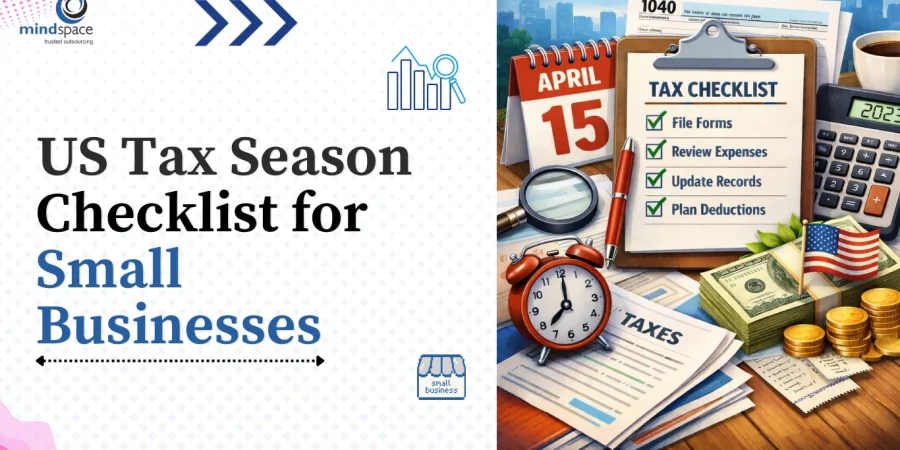
US Tax Season Checklist for Small Businesses (2026 Guide)
For small businesses in the United States, tax season is not only about submitting returns before the deadline. It is a critical period to verify financial records, confirm compliance with federal tax rules, and ensure that all eligible deductions and credits are properly claimed. A structured tax preparation checklist helps businesses avoid reporting mistakes, reduce tax liability where possible, and maintain accurate financial documentation.
The U.S. tax system requires businesses to work with multiple forms, filing deadlines, and documentation requirements. Preparing these items early makes the filing process far more efficient and reduces the risk of penalties or delayed filings.
Key US Tax Deadlines for Small Businesses (2026)
Understanding the correct filing deadline is one of the most important parts of tax season preparation. The due date depends on the legal structure of the business.
| Business Type | Tax Form | Filing Deadline (2026) | Description |
|---|---|---|---|
| Partnerships | Form 1065 | March 16, 2026 | Reports partnership income and deductions |
| S-Corporations | Form 1120-S | March 16, 2026 | Reports S-Corp income passed to shareholders |
| Sole Proprietors | Schedule C (Form 1040) | April 15, 2026 | Reports income and expenses for sole businesses |
| C-Corporations | Form 1120 | April 15, 2026 | Corporate income tax return |
| Contractor Payments | Form 1099-NEC | January 31, 2026 | Reports payments made to freelancers |
| Payment Platform Income | Form 1099-K | Issued by processors | Reports card and platform transactions |
Keeping these deadlines in mind helps businesses organize their accounting records and avoid last-minute preparation.
1. Organize All Financial Records
The foundation of accurate tax filing is well-organized financial records. Businesses should gather all accounting reports and documentation related to income, expenses, and financial activity throughout the year.
Key financial documents include:
- Profit and loss statement
- Balance sheet
- Business bank statements
- Credit card statements
- Payroll reports
- Vendor invoices
- Expense receipts
Organized financial records help ensure that tax calculations are accurate and that all deductions are supported by documentation if required during an audit.
2. Reconcile Bank and Credit Card Transactions
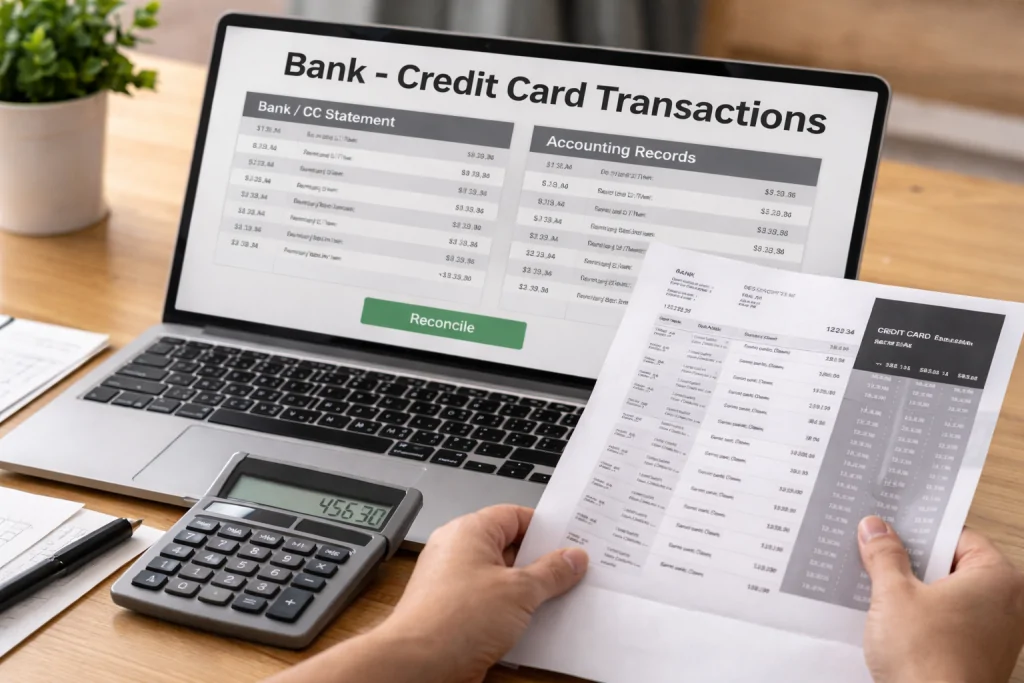
Before filing taxes, businesses should reconcile their accounting software with actual bank and credit card statements. Reconciliation confirms that recorded transactions match real financial activity.
This process helps identify:
- Missing income entries
- Duplicate expense entries
- Incorrect transaction categories
- Accounting errors in bookkeeping systems
Accurate reconciliation improves the reliability of financial reports used during tax filing.
3. Verify Business Income and Reporting Forms
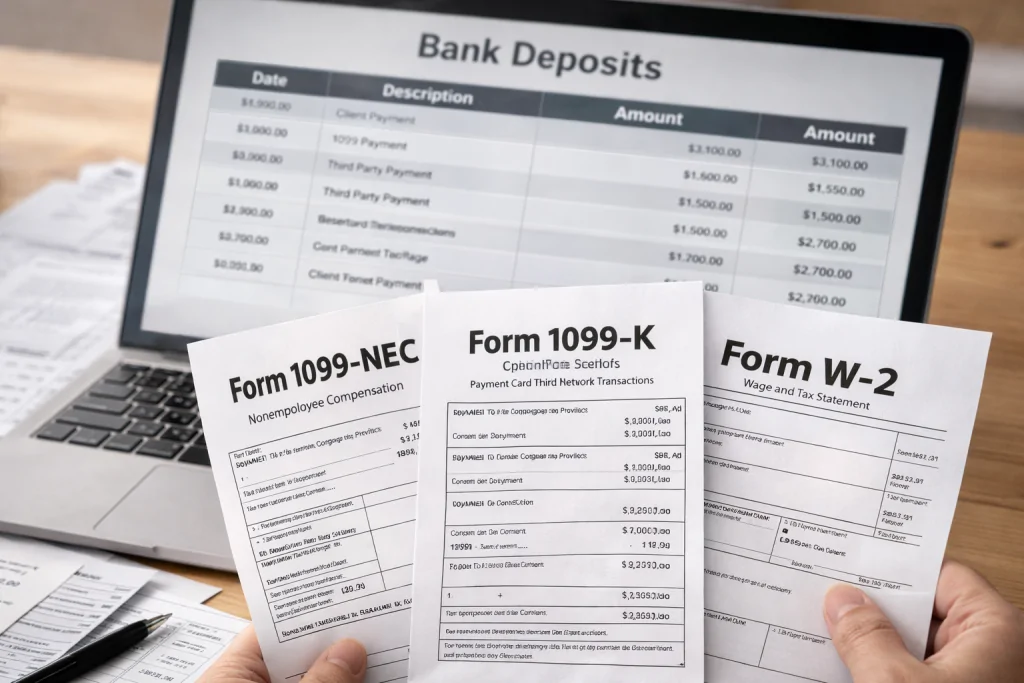
Every source of business income must be reviewed and matched with official tax reporting forms.
Common forms used for income verification include:
- Form 1099-NEC for payments received as an independent contractor
- Form 1099-K for income processed through payment platforms or card processors
- Form W-2 if the business owner receives wages from their own corporation
Matching income records with bank deposits ensures that reported revenue aligns with IRS documentation.
4. Review Deductible Business Expenses
Small businesses can reduce taxable income by claiming legitimate business expenses. However, these deductions must be properly documented and categorized.
Common deductible expenses include:
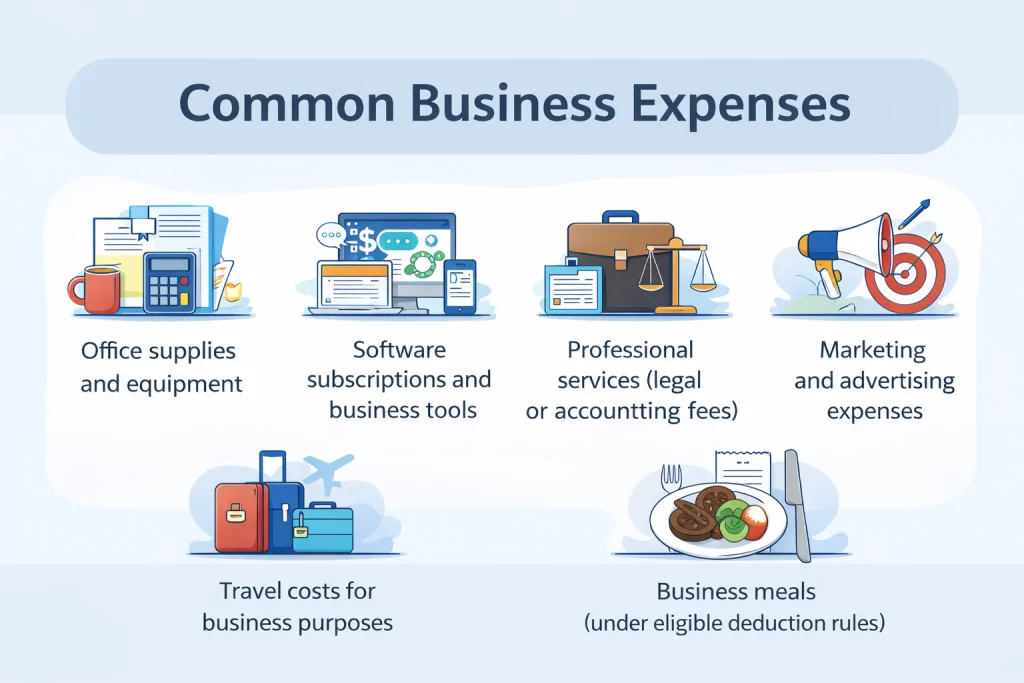
- Office supplies and equipment
- Software subscriptions and business tools
- Professional services such as legal or accounting fees
- Marketing and advertising expenses
- Travel costs for business purposes
- Business meals under eligible deduction rules
Accurate expense tracking ensures that businesses claim all allowable deductions while remaining compliant with tax regulations.
5. Prepare Payroll and Employee Tax Documentation
Businesses that employ staff must review payroll records and confirm that all payroll taxes have been properly reported.
Important payroll tax documents include:
- Form W-2 issued to employees
- Form 941 for quarterly payroll tax reporting
- Form 940 for federal unemployment tax reporting
Ensuring payroll compliance is essential because payroll tax errors often trigger regulatory penalties.
6. Review Independent Contractor Payments
Businesses that hire freelancers or contractors must report payments made to them during the tax year.
If a contractor receives $600 or more during the year, the business typically needs to issue Form 1099-NEC. This form reports non-employee compensation and must match internal payment records.
Accurate contractor reporting helps businesses maintain compliance and avoid discrepancies between business filings and individual contractor tax returns.
7. Evaluate Available Tax Credits
Tax credits can significantly reduce a company’s overall tax liability because they directly lower the tax amount owed rather than reducing taxable income.
Some businesses may qualify for credits related to:
- Research and development activities
- Energy-efficient equipment or facility upgrades
- Workforce hiring incentives
Reviewing available credits helps ensure businesses take advantage of applicable federal tax incentives.
8. Track Depreciation of Business Assets
Businesses that purchase equipment or long-term assets must calculate depreciation correctly. Depreciation spreads the cost of an asset over its useful life.
Common depreciable assets include:
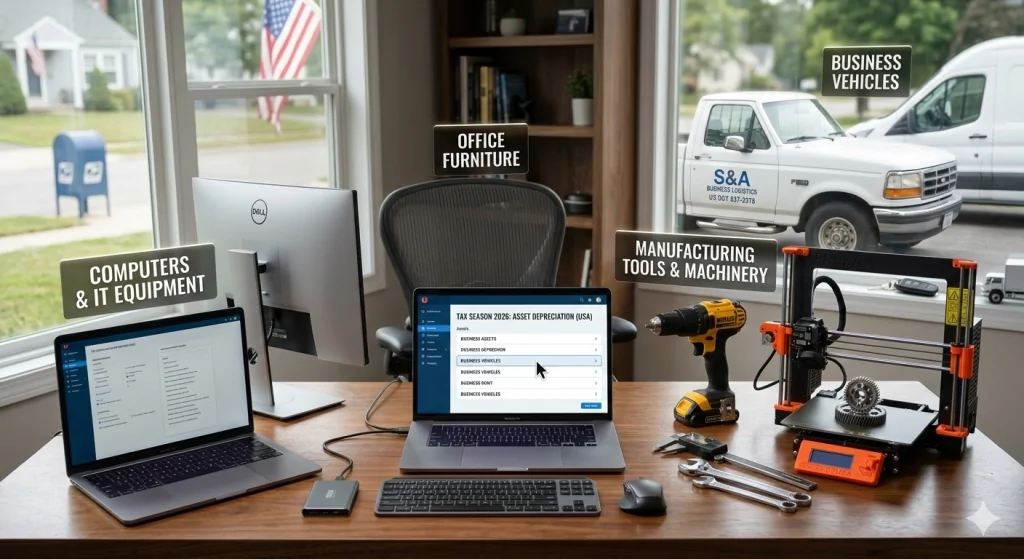
- Computers and IT equipment
- Office furniture
- Manufacturing tools and machinery
- Business vehicles
Proper asset tracking allows businesses to claim depreciation deductions through the appropriate tax schedules.
9. Confirm Quarterly Estimated Tax Payments
Many small businesses make quarterly estimated tax payments throughout the year. Before filing the annual return, businesses should verify that these payments were recorded correctly.
This process helps determine:
- Whether additional taxes are owed
- Whether the business qualifies for a refund
- Whether estimated payments were sufficient to avoid underpayment penalties
10. Conduct a Final Tax Filing Review
Before submitting tax returns, businesses should conduct a final review of their financial statements and tax forms.
A thorough review should confirm:
- Total business income is accurate
- All deductible expenses are documented
- Tax credits and depreciation are included
- Financial reports match submitted tax forms
This final step reduces the likelihood of filing errors or discrepancies.
Quick Tax Preparation Summary for Small Businesses
| Task | Why It Matters | Key Documents or Forms |
|---|---|---|
| Organize financial records | Ensures accurate reporting and easier tax preparation | Profit & Loss Statement, Balance Sheet |
| Reconcile bank accounts | Helps detect accounting errors and missing transactions | Bank statements, Credit card statements |
| Verify income sources | Matches reported income with IRS documentation | Form 1099-NEC, Form 1099-K |
| Review deductible expenses | Reduces taxable income and prevents missed deductions | Expense receipts, accounting records |
| Prepare payroll tax documents | Ensures employee tax compliance | Form W-2, Form 941, Form 940 |
| Track contractor payments | Required reporting for freelancers and contractors | Form 1099-NEC |
| Check eligible tax credits | Directly reduces overall tax liability | Credit eligibility documentation |
| Review asset depreciation | Spreads asset cost over time for tax deductions | Depreciation schedules |
| Verify estimated tax payments | Prevents underpayment penalties | Quarterly estimated tax payment records |
| Final tax review | Ensures accuracy before filing tax returns | All financial statements and tax forms |
Final Thoughts
Tax preparation for small businesses becomes significantly easier when financial records are organized and tax requirements are clearly understood. Reviewing IRS forms such as Form 1099-NEC, 1099-K, Form 1120-S, Form 1065, and Schedule C ensures that income and expenses are properly reported.
Following a structured tax season checklist helps small businesses stay compliant with federal regulations, reduce potential penalties, and gain better visibility into their financial performance. With proper preparation and accurate record-keeping, tax season becomes a manageable process rather than a last-minute challenge.
Frequently Asked Questions
What tax forms do small businesses need to file in the US?
Small businesses in the United States may need to file different tax forms depending on their structure. Partnerships generally file Form 1065, S corporations file Form 1120-S, C corporations file Form 1120, and sole proprietors report business income using Schedule C attached to Form 1040. Businesses may also need to issue Form 1099-NEC when paying independent contractors.
What is the tax filing deadline for small businesses in 2026?
For the 2026 tax season, partnerships and S corporations must file their returns by March 16, 2026. Sole proprietors and C corporations usually have a filing deadline of April 15, 2026 unless they request an extension.
What is Form 1099-NEC used for?
Form 1099-NEC is used to report payments made to independent contractors or freelancers. If a business pays a contractor $600 or more during the year, it typically must report the payment using this form.
What expenses can small businesses deduct during tax season?
Common deductible expenses include office supplies, marketing costs, accounting services, software subscriptions, travel expenses, and certain business meal costs. Accurate receipts and documentation should be maintained to support these deductions.
Do small businesses need to make quarterly estimated tax payments?
Many small businesses must make quarterly estimated tax payments if they expect to owe taxes during the year. These payments help reduce the risk of large tax bills and underpayment penalties.
What is Form 1099-K and when is it issued?
Form 1099-K reports payments received through credit cards, digital wallets, and online payment processors. Payment platforms issue this form when business transactions exceed reporting thresholds.
Why is a tax season checklist important for small businesses?
A tax season checklist helps businesses organize financial records, verify income sources, track deductible expenses, and prepare required tax forms before deadlines. Proper preparation reduces filing errors and improves financial clarity.